The Role of Luck in Gambling
Luck plays a pivotal role in gambling, particularly in casino games that rely heavily on chance. While skill and strategy can enhance overall performance, games like slots and roulette are primarily driven by random outcomes. This inherent randomness means that even the most seasoned players can experience streaks of wins and losses, largely attributed to luck. Understanding how luck operates in these scenarios is essential for any player hoping to achieve success in a casino environment, as no verification casinos can significantly influence their overall experience and expectations.
Moreover, luck is not merely a straightforward concept; it can be shaped by various psychological factors. Many players engage in rituals or adopt specific betting patterns, believing these can bring them good fortune. For instance, some might enter the casino wearing a lucky shirt or carrying a charm they believe will enhance their luck. While these beliefs may not scientifically alter the odds, they can create a more engaging and enjoyable gambling atmosphere. Such psychological aspects can lead to greater excitement and a more immersive experience for players, making their time at the casino feel even more rewarding.
Ultimately, while luck cannot be controlled or predicted, it is important for players to embrace it as a fundamental part of the gambling experience. Accepting that luck will fluctuate allows players to maintain a balanced perspective when faced with wins and losses. Instead of fixating solely on outcomes, players should focus on enjoying the journey and the thrill of gaming. Recognizing that luck is an integral component of their casino adventure can help them foster resilience and adaptability, ensuring they navigate the highs and lows of gaming with grace and enjoyment.
Skill versus Luck: Finding the Balance
The ongoing debate between skill and luck in the world of casinos is a compelling topic. Certain games, like poker and blackjack, require a significant degree of skill and strategic thinking. Players can make informed decisions that influence their chances of winning. In contrast, other games, such as slots or keno, depend entirely on luck, providing no opportunities for player intervention. This distinction creates a dynamic environment where players must assess their strengths and preferences before engaging in various gambling activities. Understanding this balance is crucial for maximizing enjoyment and potential success.
For example, in poker, players analyze their opponents’ behaviors and adapt their strategies accordingly, giving them a level of control over the game’s outcome. They can bluff, fold, or raise bets based on their assessment of the situation. On the other hand, a player at a slot machine is completely at the mercy of random number generators, leaving them with little to no leverage over the game. This distinction underscores the importance of recognizing which games align with an individual’s skill set and how luck plays its part in each context. Players should choose games that suit their skill levels to achieve a more fulfilling casino experience.
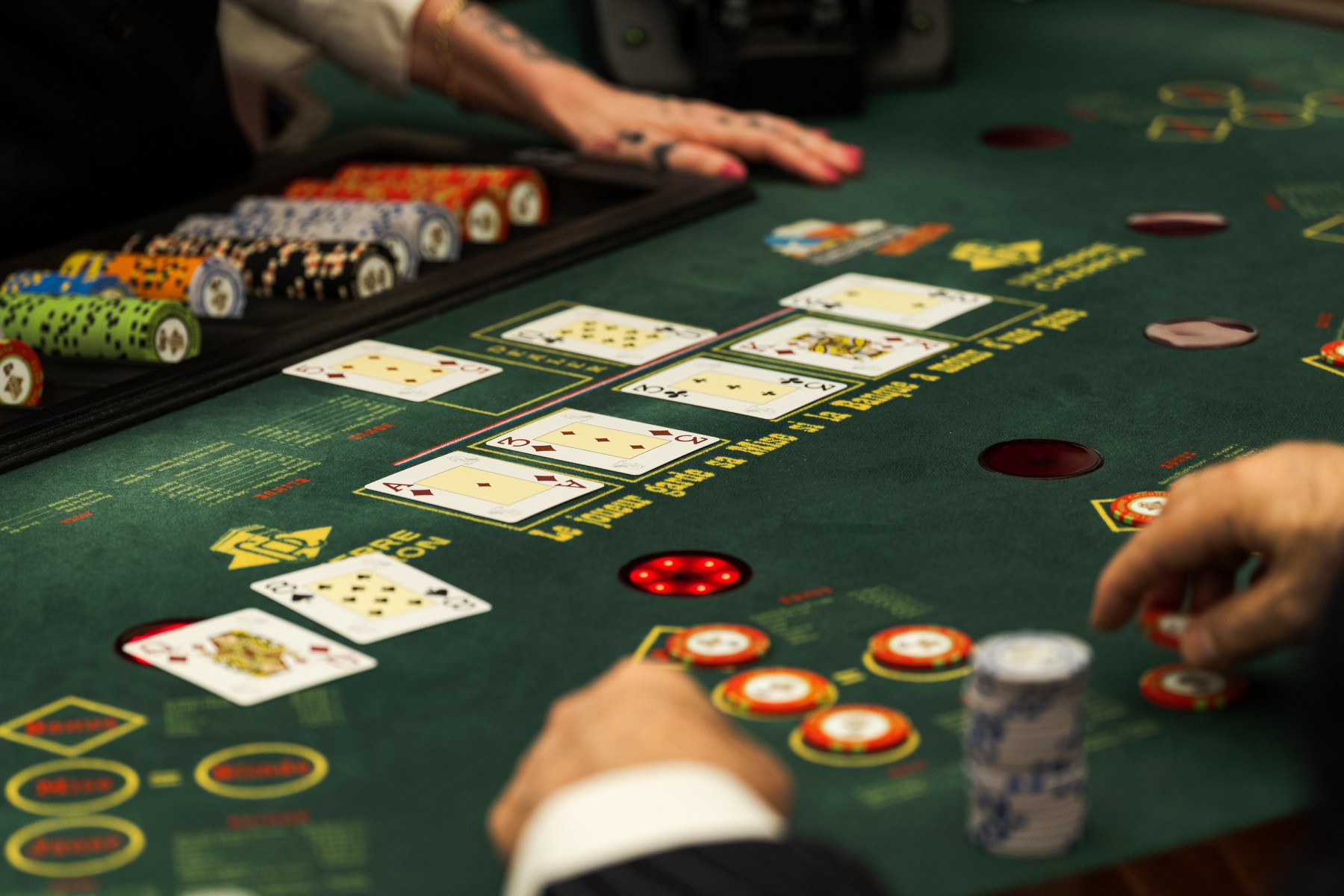
Additionally, many players enjoy a mixed approach to gambling, participating in both skill-based and luck-based games. This strategy allows for a diversified gaming experience, where players can showcase their skills while also relishing the unpredictability of luck-driven games. For instance, a player might prefer poker for its strategic elements but also indulge in the thrill of spinning the reels on a slot machine. Ultimately, striking a balance between skill and luck can enhance a player’s overall satisfaction and success at the casino, making it a more enjoyable pastime for everyone involved.
The Psychological Impact of Luck
Luck has profound psychological implications for players in a casino setting. When someone wins big, the euphoric sensation can lead to feelings of elation and a false sense of control over future outcomes. This psychology is often referred to as the “gambler’s fallacy,” where players believe that a winning streak will continue indefinitely. Such misconceptions can cloud judgment and lead to impulsive decisions, which may ultimately harm one’s gambling experience. Players might bet more than they can afford, convinced that their luck will hold and that they are on a winning path.
Conversely, when luck seems to turn against a player, feelings of frustration and hopelessness can emerge. This emotional rollercoaster can compel players to chase their losses, leading to more substantial financial risks. Understanding these psychological impacts is crucial for responsible gambling. Players must recognize how luck influences their emotional states and decision-making processes. By being aware of their feelings, players can better manage their reactions, ensuring they maintain a level-headed approach to their gaming activities, regardless of the outcomes.
Moreover, casinos often design their environments to harness the concept of luck, using bright lights, engaging sounds, and celebratory announcements to evoke excitement and anticipation. This strategic design can create an altered state of perception, further influencing how players respond to luck. For example, the sounds of coins clinking or the flashing lights of a jackpot can enhance the thrill of winning, making players more susceptible to the psychological effects of luck. By being aware of these psychological elements, players can cultivate a more mindful approach to their gambling, ensuring they keep their emotions in check and make sound decisions based on enjoyment rather than desperation.
Strategies to Harness Luck at the Casino
While luck is inherently unpredictable, there are strategies players can employ to maximize their chances of having a lucky experience at the casino. One effective approach is managing one’s bankroll responsibly. Setting limits on spending helps players maintain control over their gambling activities, reducing the likelihood of chasing losses or feeling pressured to continue gambling. This financial strategy directly influences a player’s ability to enjoy their time without succumbing to the negative aspects of luck. By establishing a budget before entering the casino, players can create a safety net that allows them to enjoy the experience without the stress of overspending.

Another strategy involves choosing games with better odds. Understanding the house edge in various games empowers players to make informed decisions about where to play. For instance, table games like blackjack or certain poker variations typically offer better odds compared to games of pure chance, such as slots. Knowledge of the games can help players select options that provide a fairer chance of winning, even when luck remains an unpredictable factor. This strategic selection can enhance a player’s overall experience and potentially lead to more favorable outcomes during their time at the casino.
Finally, adopting a positive mindset can also be beneficial when engaging in casino games. Viewing each gaming session as an opportunity for entertainment rather than solely for profit can help players appreciate the role of luck without harboring unrealistic expectations. By focusing on the enjoyment of the game rather than the outcome, players can foster a healthier relationship with gambling. Embracing the unpredictability of luck can transform the casino experience into a more gratifying adventure, where the thrill of the game takes precedence over the pressure to win.
Explore More Insights on Gaming Strategies
For those interested in delving deeper into the world of gaming strategies and understanding the interplay of luck and skill, engaging with dedicated websites and resources can be immensely beneficial. These platforms often provide comprehensive analyses of various games, tips for enhancing gameplay, and insights into the psychological aspects of gambling. Engaging with such content can equip players with valuable knowledge to navigate the complexities of casino gaming. By learning from experts and experienced players, individuals can develop their strategies and improve their chances of success at the casino.
Additionally, following expert blogs and forums can facilitate a sense of community among players, allowing for discussions and shared experiences regarding luck and strategy. These interactions not only foster learning but also enhance the enjoyment of gaming as players share stories about their lucky moments or strategies that worked well for them. Such platforms encourage a collaborative approach to gambling, where collective knowledge can lead to improved outcomes. Sharing experiences helps players feel more connected and supported in their gaming journeys.
Ultimately, investing time in understanding how to harness luck and strategy will enhance your casino experience. Whether you are a novice or an experienced gambler, there is always something new to learn, and various resources can help you navigate your journey while keeping the ever-elusive nature of luck in perspective. Embrace the unpredictability of luck, and let it enhance your experience at the casino while you also cultivate essential strategies for success. With the right approach, you can enjoy the thrill of the game and make the most of your time in the casino.