The Role of Luck in Casino Games
Luck is often perceived as the dominant factor in the outcome of casino games. Many players believe that chance dictates the results, particularly in games like slots and roulette, where players have little to no control over the outcome. For instance, a spin of the slot machine or the roll of the dice relies entirely on random number generation and external factors that cannot be influenced by players. This inherent randomness leads many to conclude that luck plays a crucial role in determining wins and losses, making it a significant aspect of the gaming experience, especially when considering options like fast withdrawal casino uk real money that offer quick payouts.
Moreover, the psychological aspects of luck cannot be ignored. Players frequently recall their winning streaks and believe they are ‘on a roll,’ attributing their success to favorable odds. This sensation can inspire confidence and encourage continued play, often leading to larger bets. However, such confidence can also result in reckless gambling behavior, as players might dismiss the underlying reality that luck is fickle and unpredictable. Thus, while luck plays a critical role, particularly in games of chance, it can create an illusion of control that can mislead players about their actual odds of winning.
Some players create narratives around their fortunes, considering themselves lucky or unlucky based on recent experiences in the casino. This constructs a psychological framework where luck becomes a perceived certainty. While it’s undeniable that luck affects short-term outcomes, the long-term expectation reveals a different story, emphasizing the need for a balanced perspective. Players who overly rely on luck may find themselves facing inevitable losses due to the nature of probabilities inherent in casino games, which underscores the necessity of understanding that luck is just one part of a much larger equation.
The Importance of Skill in Casino Games
On the other hand, skill can significantly influence the outcomes in many casino games, particularly those involving strategy, such as poker and blackjack. In these games, players are required to make decisions based on their hand, the behavior of opponents, and statistical probabilities. A skilled poker player knows when to bluff and when to fold, which can drastically affect their winning potential. Here, skill can overshadow luck, as a knowledgeable player can consistently outperform less experienced opponents through calculated decisions and strategies that leverage their understanding of the game.
Additionally, games like blackjack allow skilled players to employ techniques such as card counting. Though often frowned upon and sometimes banned from casinos, this strategy can significantly shift the odds in favor of the player. Skillful players analyze patterns and probabilities, making informed decisions about when to hit, stand, or double down. By mastering these decisions, they can lower the house edge and increase their chances of winning, illustrating the power of skill in influencing outcomes and emphasizing the importance of continuous learning and practice in these skill-based games.
Ultimately, the dichotomy between luck and skill is highly situational. In games such as baccarat and keno, skill plays a minimal role, whereas in poker and blackjack, it is essential. This variance illustrates that while luck can lead to occasional success, skill often provides players with a sustainable advantage, contributing to long-term profitability. Understanding this balance is vital for any player looking to improve their gameplay experience in the casino environment, as it allows them to make more informed decisions regarding their play style and game selection.
The Interaction of Luck and Skill
An interesting aspect of casino gameplay is how luck and skill interact. Many games start with a base of luck but then introduce elements where skill can take over. For example, in poker, the initial card draw is based on luck; however, as the game progresses, players deploy their skills to maximize their chances of success. This blend creates a dynamic environment where both elements coexist, demonstrating that players must adapt their strategies accordingly, often leading to more favorable outcomes when skill is applied effectively.
Furthermore, successful casino players understand that while they cannot control the luck of the draw, they can control their responses to it. Knowing how to read opponents, managing bankrolls, and making strategic bets are all aspects of gameplay that rely on skill. This adaptability often yields better results than relying solely on luck. Ultimately, the best players are those who comprehend the relationship between these two factors and harness them to their advantage, recognizing that a strategic approach can mitigate the unpredictability of luck.
The interaction between luck and skill also extends to the emotional aspects of gameplay. A player’s mindset can greatly affect their performance. If a player experiences a run of bad luck, they might shift their strategy, become risk-averse, or conversely, gamble recklessly in an attempt to recover losses. Recognizing this interplay allows players to enhance their gameplay by maintaining a balanced perspective and embracing both elements’ dynamic nature, ultimately leading to a more enriching and successful casino experience.
The House Edge and Its Influence on Gameplay
The house edge is a fundamental concept in casino gaming that underscores the importance of understanding the odds. The house edge represents the mathematical advantage that the casino holds over players in the long run. This built-in advantage means that, although players may experience short-term luck, the odds favor the casino overall. Understanding this concept is essential for players who wish to engage in informed gameplay, as it helps them recognize that winning is not solely based on luck.
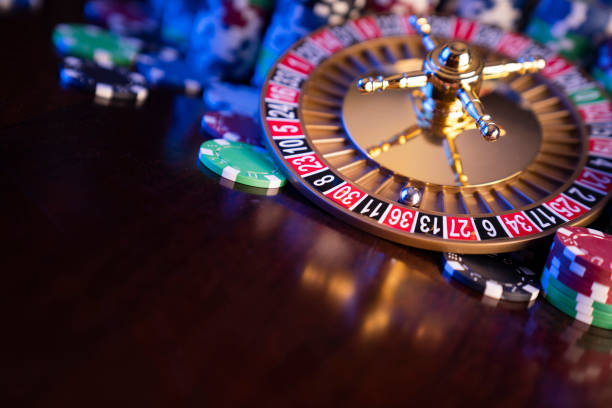
For example, in a game like roulette, the presence of the zero (or double zero) means that not all bets pay out at true odds, creating an inherent advantage for the house. Players who are unaware of how the house edge functions may fall into the trap of overestimating their chances of winning based purely on luck. Fundamentally, knowledge of the house edge empowers players to make more strategic choices, aligning their gameplay with the understanding of where their odds truly lie, and allowing them to focus on games that provide better opportunities for skill utilization.
Moreover, recognizing the house edge can influence a player’s choice of games. Games with a lower house edge, such as blackjack and poker, provide more opportunities for skilled players to tilt the odds in their favor, emphasizing strategy over luck. Conversely, games with a higher house edge may be more suited for players willing to embrace luck as a primary factor. Thus, awareness of the house edge offers valuable strategic insights for those eager to improve their gaming experience, encouraging players to approach their gameplay with a more analytical mindset.
The Takeaway: Balancing Luck and Skill
In conclusion, the interplay of luck and skill forms the foundation of casino gameplay. While luck can lead to immediate success, skill often dictates long-term outcomes and player profitability. Understanding where each element fits into various games enables players to approach casino activities more wisely. This balance is crucial for those looking to enhance their gaming experience and make informed decisions, as it allows players to tailor their strategies based on the nature of the games they choose to play.
Players are encouraged to acknowledge the role of luck while also sharpening their skills. Engaging with strategy and learning from experiences will bolster one’s ability to navigate the complexities of the casino landscape. By cultivating both elements, players can create a more rewarding and potentially profitable gaming experience, ensuring that they are prepared for the unpredictable nature of casino gameplay.
Ultimately, whether a player leans more towards luck or skill, the goal should be to enjoy the journey. Casinos are designed as entertainment, and while the pursuit of winnings is enticing, finding enjoyment in the games themselves can lead to a more fulfilling experience, regardless of the outcome. Always remember that informed decisions and a balanced approach to gameplay can enhance both fun and success at the tables, making every visit to the casino an opportunity for enjoyment and learning.